

Fashion design is a form of art dedicated to the creation of clothing and other lifestyle accessories. Modern fashion design is divided into two basic categories: haute couture and ready-to-wear. The haute couture collection is dedicated to certain customers and is custom sized to fit these customers exactly. In order to qualify as a haute couture house, a designer has to be part of the Syndical Chamber for Haute Couture and show a new collection twice a year presenting a minimum of 35 different outfits each time.
Ready-to-wear collections are standard sized, not custom made, so they are more suitable for large production runs. They are also split into two categories: designer/createur and confection collections. Designer collections have a higher quality and finish as well as an unique design. They often represent a certain philosophy and are created to make a statement rather than for sale. Both ready-to-wear and haute-couture collections are presented on international catwalks.
Fashion Design
Fashion design is the art of applying design, aesthetics and natural beauty to clothing and its accessories. It is influenced by cultural and social attitudes, and has varied over time and place. Fashion designers work in a number of ways in designing clothing and accessories such as bracelets and necklaces. Because of the time required to bring a garment onto the market, designers must at times anticipate changes to consumer tastes.
Designers conduct research on fashion trends and interpret them for their audience. Their specific designs are used by manufacturers. This is the essence of a designer’s role; however, there is variation within this that is determined by the buying and merchandising approach, and product quality; for example, budget retailers will use inexpensive fabrics to interpret trends, but high-end retailers will ensure that the best available fabrics are used.
Fashion designers attempt to design clothes which are functional as well as aesthetically pleasing. They consider who is likely to wear a garment and the situations in which it will be worn, they have a wide range and combinations of materials to work with and a wide range of colors, patterns and styles to choose from. Though most clothing worn for everyday wear falls within a narrow range of conventional styles, unusual garments are usually sought for special occasions such as evening wear or party dresses.
Some clothes are made specifically for an individual, as in the case of haute couture or bespoke tailoring. Today, most clothing is designed for the mass market, especially casual and every-day wear are called ready to wear.
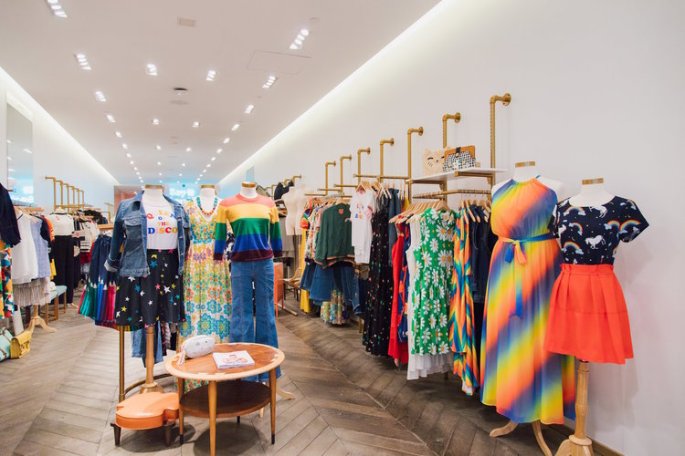
 Fashion